Cut energy costs and boost comfort by upgrading aging educational building systems. Learn smart, proven fixes that pay for themselves fast.
If your school facility is more than a couple of decades old, chances are it’s costing you more than it should. High utility bills, uneven temperatures, and constant repair calls are all signs that your building systems are aging … and draining your budget. The good news? Strategic upgrades can turn that around fast.
Why Old Building Systems Cost More Than You Think
Older mechanical/electrical systems and building envelopes weren’t built for today’s energy standards. Over time, efficiency drops, parts wear out, and energy waste grows. You’re paying for the energy you use, and you’re paying for the energy you lose.
Common signs your systems are costing you include the following:
- Utility bills keep climbing
- Rooms are too hot in summer or too cold in winter
- Frequent breakdowns disrupt work or service
- Students, staff, or community members complain frequently
Upgrades That Deliver Big Results
Replacing old equipment does not just improve comfort. It can also slash your energy costs and extend the life of your building.
- High-efficiency HVAC: Modern heating and cooling systems can reduce energy use by up to 40%.
- LED lighting: Uses a fraction of the electricity of older bulbs and lasts much longer.
- Better insulation and windows: Keeps conditioned air inside and drafts out, reducing the load on HVAC.
These upgrades often qualify for rebates and incentives, making them even more cost-effective.

Putting VRF to the Test
Legat Architects has helped building owners across the Midwest modernize systems and cut operating costs.
Tyler School in New Lenox, Illinois, for example, relied on the original mechanical systems from when it was built in 1979. A dated boiler/chiller system that drove up energy bills needed replacement.
Legat encouraged New Lenox School District 122 to explore variable refrigerant flow (VRF) systems. These heat and cool buildings by moving refrigerant (instead of hot or chilled water) to indoor terminal units.
“VRF allows you to customize temperatures based on rooms or zones,” said Legat’s Rob Wroble. “You can essentially cool one side of the building and heat another at the same time. With the traditional boiler/chiller system, on the other hand, you can only either heat or cool but not both, so rooms often end up too hot or too cold. The result with VRF is better temperature and humidity control with lower operating costs.”
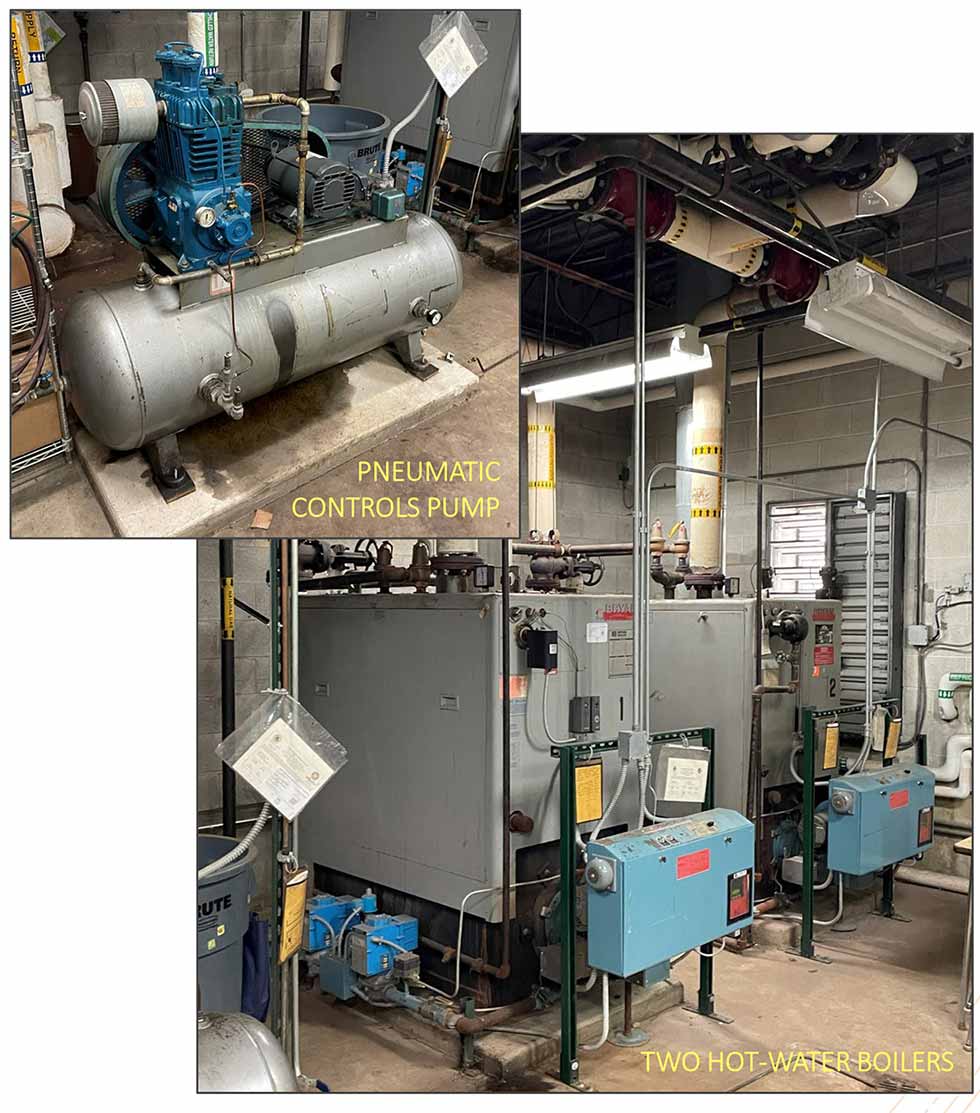
Legat partner IMEG Corp. conducted an energy model for a replacement system at Tyler School. It compared long-term costs of another boiler/chiller system with unit ventilators versus a VRF system paired with a dedicated outdoor air system for ventilation. The analysis revealed that the VRF system would save the district nearly $372,000 in initial costs plus an additional $129,740 in energy savings over 20 years.
Start Saving Today
You don’t need to overhaul everything at once. Many school districts start with small, high-impact fixes such as lighting and controls, then plan larger upgrades over time. The key is to take the first step now, because every month you wait is another month of wasted money.
Ready to stop your building from bleeding energy? We can help you identify the upgrades that make the biggest difference fastest.
Contact us with your educational facilities needs.