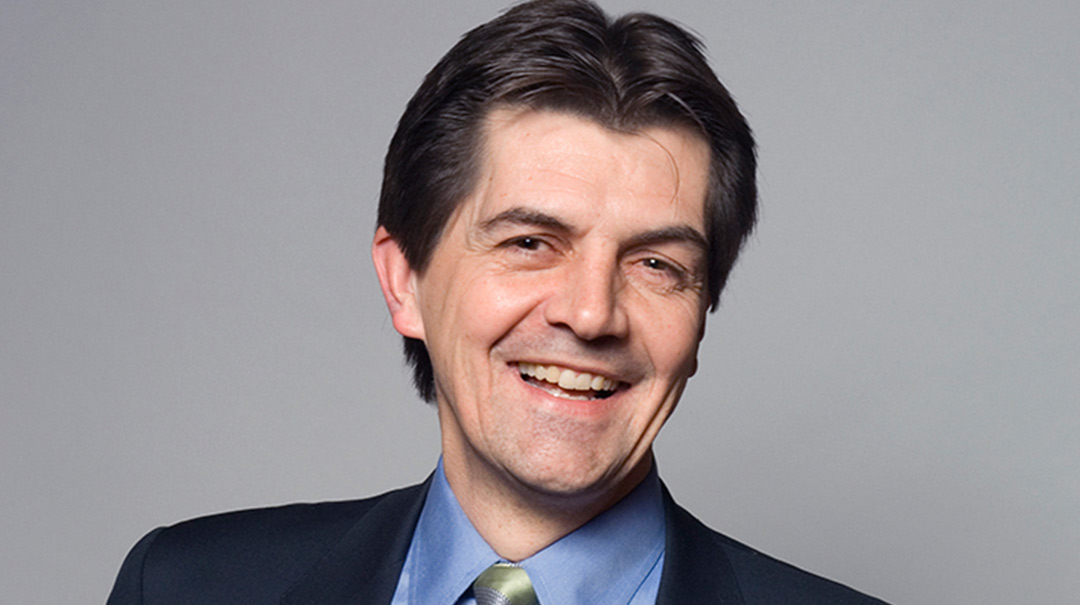
Speak softly and carry the details: Derek Dunn achieves three decades as a quiet force in healthcare facilities design at Legat Architects
In 1988, a teenage Derek Dunn visited a traveling Frank Lloyd Wright exhibit at the Chicago Museum of Science and Industry. The display allowed him to step inside a replica of one of the renowned architect’s modular homes. That experience, coupled with trips to the observation decks of the John Hancock Center (now 875 North Michigan Avenue) and Sears (now Willis) Tower, solidified in Dunn a love of the built environment that would influence his career.
Today, Dunn leads Legat Architects’ healthcare practice. The University of Illinois Chicago (UIC) graduate and licensed architect has programmed and designed hundreds of healthcare projects around the Chicago region. Many of them challenged him with complex programs, tight budgets, and breakneck schedules. And Dunn repeatedly rose to the challenge.
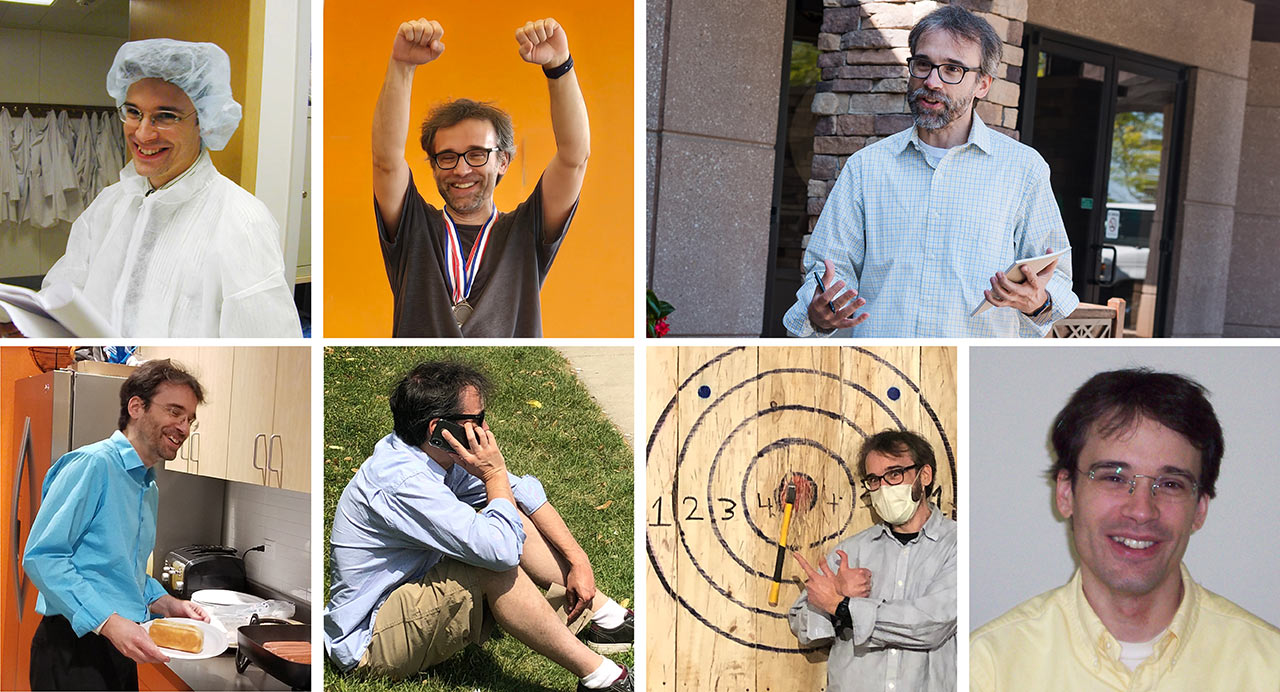
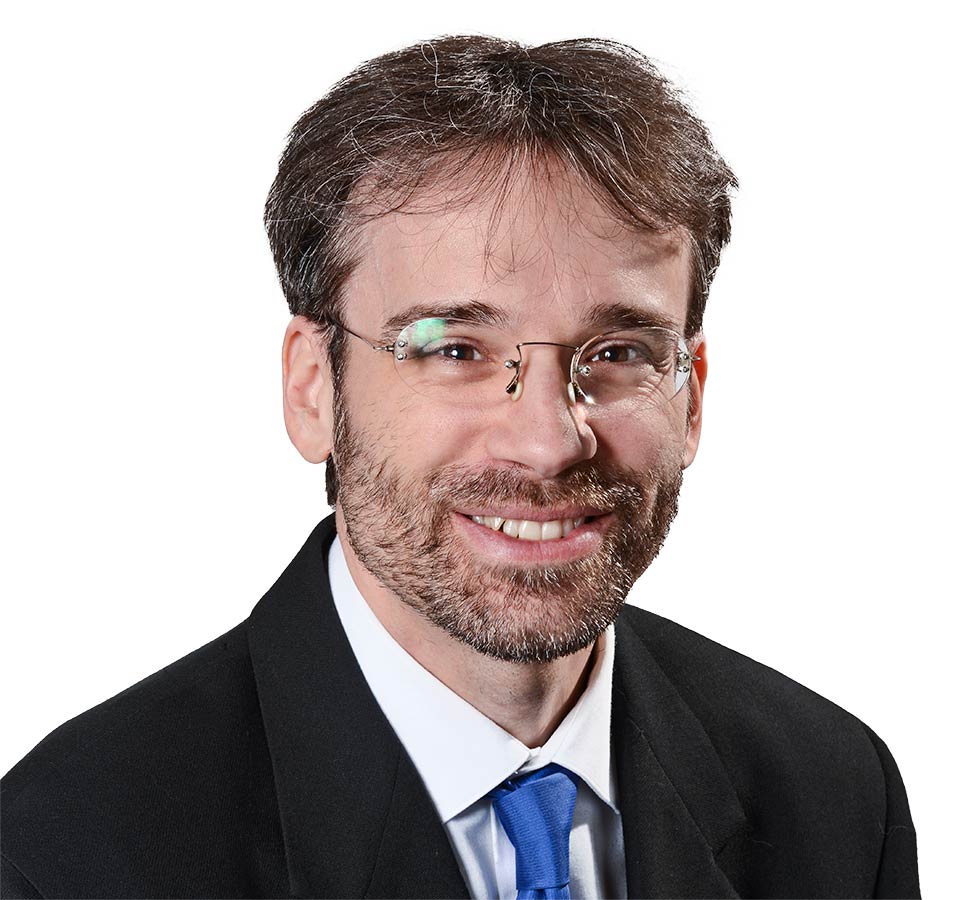
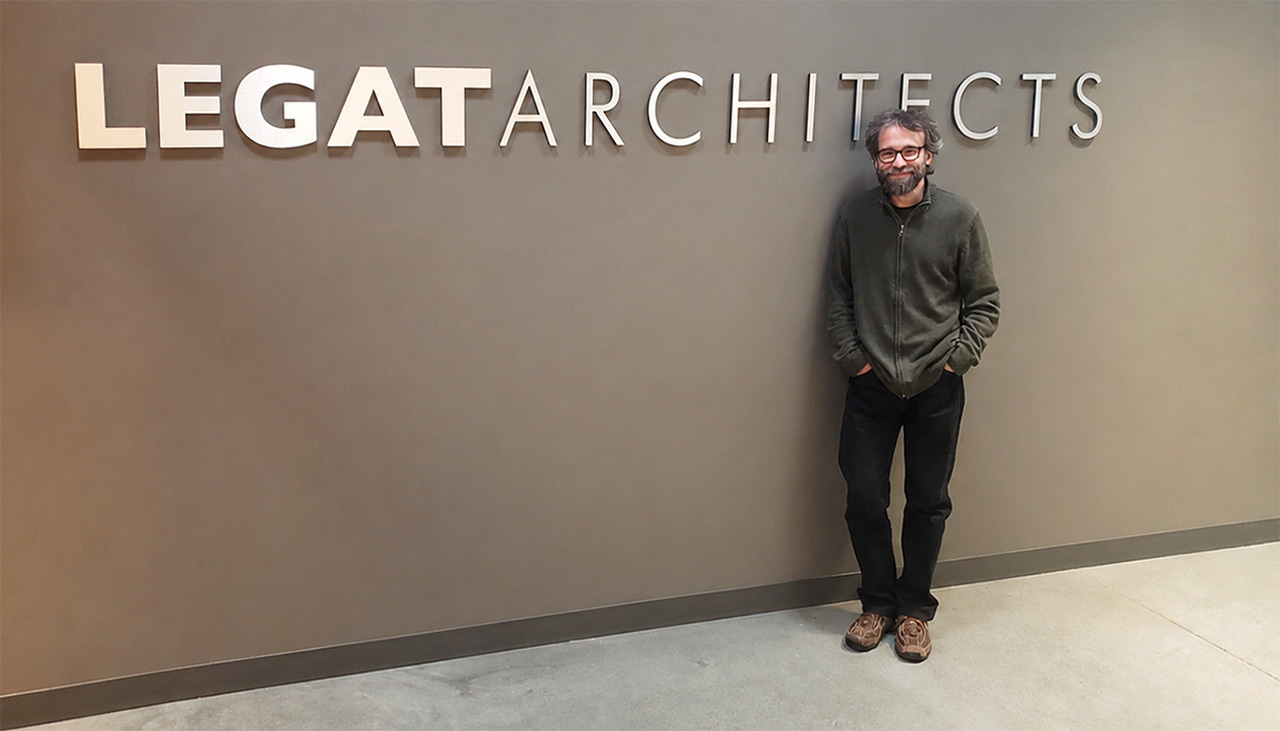
Derek Dunn, healthcare practice leader at Legat Architects, celebrates 30 years at the firm on June 3, 2026.
On June 3, 2026, Dunn, known by his colleagues for his calm approach and ability to juggle multiple projects simultaneously, caps 30 years of quietly strengthening Legat.
“Derek is soft-spoken and detail-oriented,” said Legat President and CEO Jeff Sandberg. “Over decades of solving programming challenges and developing relationships, he has become a dependable project manager and a mentor to our emerging professionals. He’s well-respected in the industry and brings the same attentiveness to colleagues, contractors, and tradesmen that he does to our clients.”
Today’s healthcare settings must balance clinical precision and patient comfort. Dunn’s technical knowledge and design skills have enabled him to achieve that balance, resulting in high-performing healing environments.
Those of us who have had the pleasure to work with Derek over the years have always had full confidence in his wide range of talents as an architect. He has been instrumental in building Legat’s reputation within a very complex and competitive market sector.
Casey Frankiewicz
Windy City Roots
Dunn’s fascination with buildings started well before that fateful museum trip. He attended a single-story, eight-classroom Catholic elementary school in Zion, a small city near the northeastern tip of Illinois. He and his childhood friends would use wood, cloth, and other found materials to build forts. They once used old plywood and dirt to construct an underground fort in a field. His parents even gave him a book on how to build clubhouses. Alas, Dunn lacked the right tools, but this hardly derailed his path toward architecture.
Dunn leaned toward the “studious” at Carmel Catholic High School — he enrolled in as many AP math courses as he could. When the time came to apply for college, he concentrated on the Chicago region. While many of his future peers would attend the University of Illinois System’s Urbana-Champaign campus, Dunn opted for the downtown Chicago campus.
“I wanted to go to a school that wasn’t in the middle of a field, but rather in the heart of one of the world’s major architectural centers,” he said. “I wanted to be surrounded by the masterworks of architects like Wright, Sullivan, and Le Corbusier.”
Early experiences in downtown Chicago and its suburbs played a formative role in Dunn’s career.
Each Friday, Dunn and his classmates would explore a different area of the city — River North, Hyde Park, Pilsen — to experience the culture and architecture. The city made a strong impression.
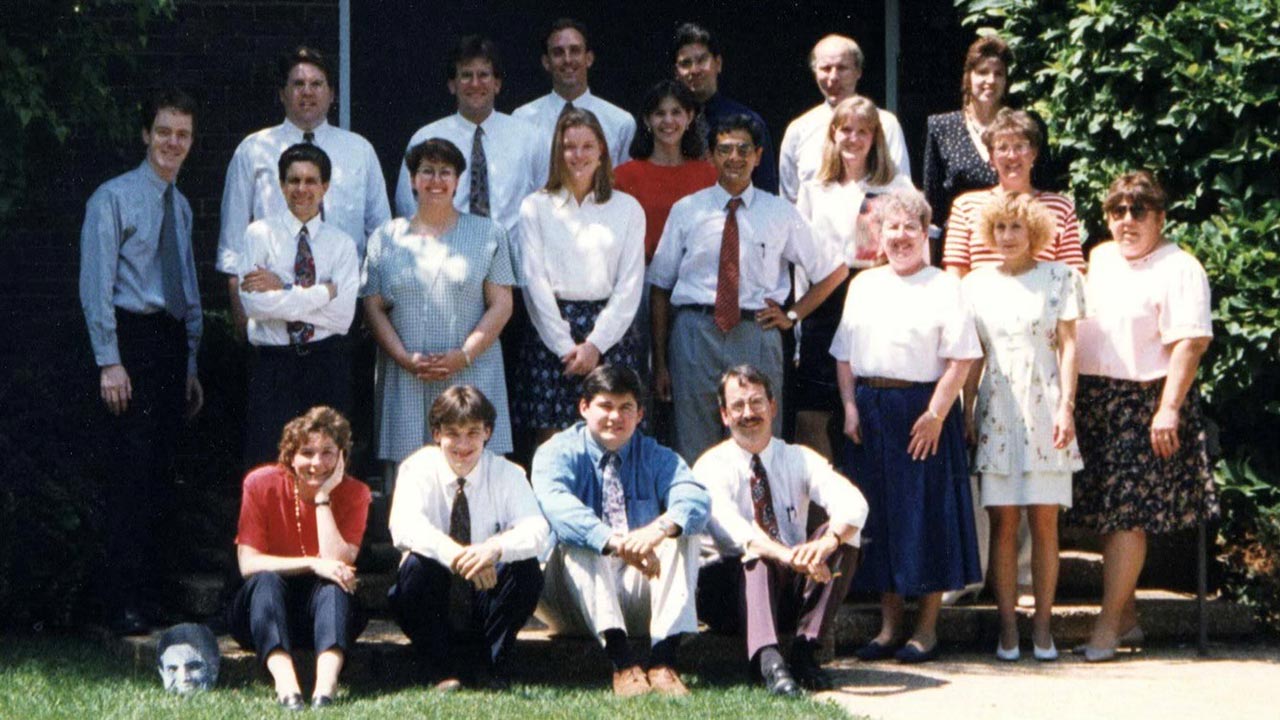
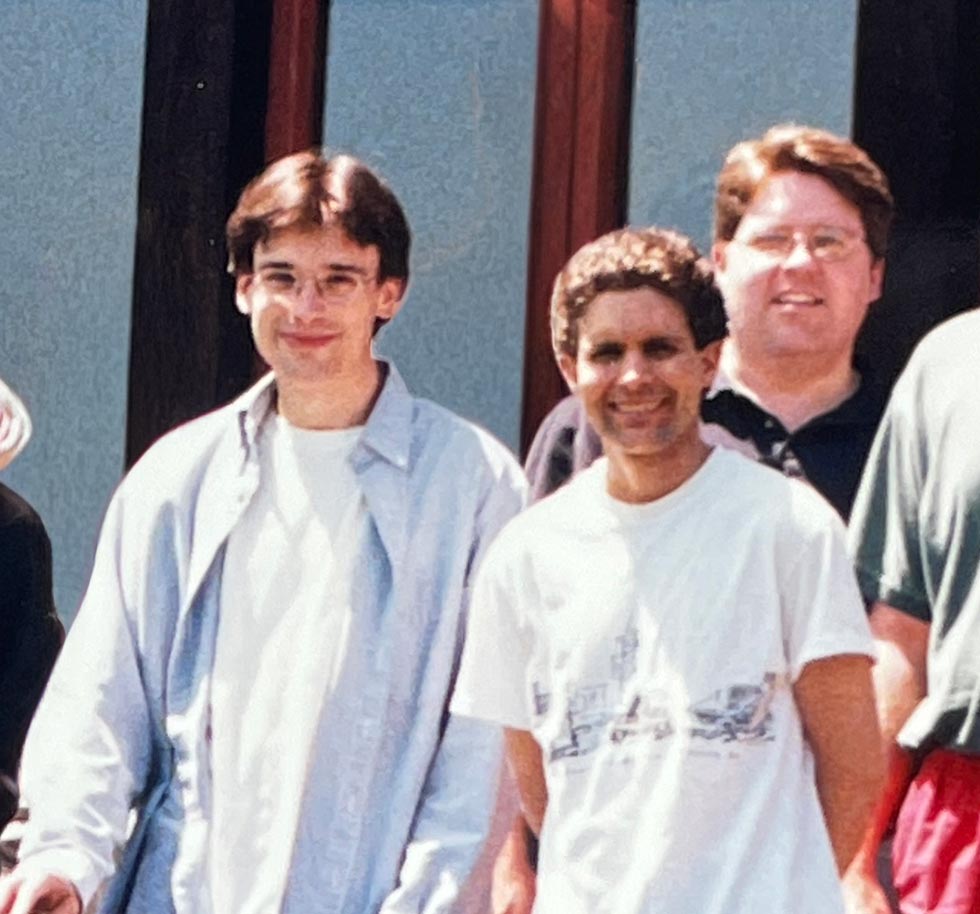
Derek Dunn (sitting, second from left) and coworkers outside Legat’s Waukegan studio circa 1997. Four other individuals in the photo also continue to work for the firm.
A Choice Between Two Firms
Dunn began interning at a prominent Chicago-based practice during his college career. His tasks consisted mostly of transferring old drawings of higher education buildings into AutoCAD. Eventually, the work became repetitive, and Dunn sought more diverse assignments that would expand his horizons.
He landed a summer internship at Legat’s former studio in his hometown of Waukegan. His first day brought new experiences: He drove a set of plans to a Baxter medical facility in the suburb of Deerfield. Then he and another employee spent most of the night building a model for a car dealership.
For two years, Dunn worked at the Chicago firm in winter and at Legat during summers. He never touched a computer during his time at Legat — instead, Dunn focused on archiving and model-building while absorbing the firm’s culture and learning from the people with whom he would eventually develop close ties.
Dunn with coworkers Ted Haug and Scot Parker circa 1998. All three architects still work at Legat.
When Dunn graduated with his Bachelor of Architecture, both firms offered him a full-time position. He decided to go to Legat.
“I knew that I’d get to participate in a wider variety of project types at Legat: education, healthcare, car dealerships, banks, municipal facilities,” he said. “It allowed me to see what I enjoyed and eventually choose a facility type to specialize in.”
Dunn’s first high-profile healthcare planning project was for a medical mall that brought a variety of services to the growing community of Huntley, Illinois. Construction finished in 2008.
Mud Clomping to Medical Planning
On a stormy fall morning in the late ’90s, a twentysomething Dunn, wearing a tie and dress shoes, clomped through ankle-deep mud at a construction site. This was one of his first experiences walking a job site. The building, the new Waukegan East Middle School, would become a pivotal project in Dunn’s career. The project manager allowed Dunn to take the reins. He led all drawings, oversaw construction administration, and frequently met with the contractor for the 90,000-square-foot facility. Although Dunn would eventually move away from school design (and get a pair of boots), what he learned during that experience would give him the skills and confidence to lead his own projects.
Around the year 2000, Dunn joined a team for a small security desk upgrade at a medical office building — his first healthcare project. Dunn proved his mettle, and similar smaller healthcare projects followed. A medical office suite renovation. A lab upgrade. A lobby refresh. He built his portfolio, and his projects grew in scale and complexity. He learned how to interact with clients and contractors. He developed relationships with the state regulatory agencies.
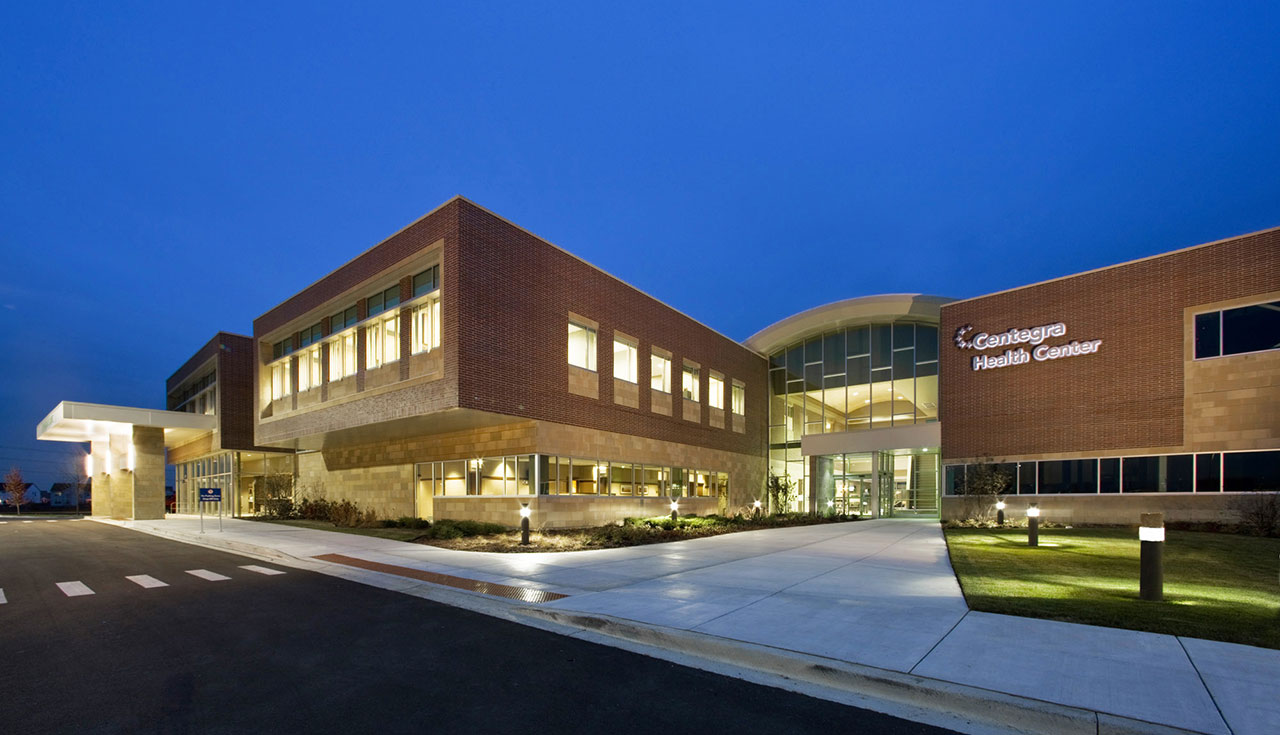
In 2006, Dunn made his first foray into medical planning for a major healthcare project: a medical office building in Huntley, Illinois. The 60,000-square-foot facility featured urgent care and diagnostics spaces, primary care suites, and leased office suites.
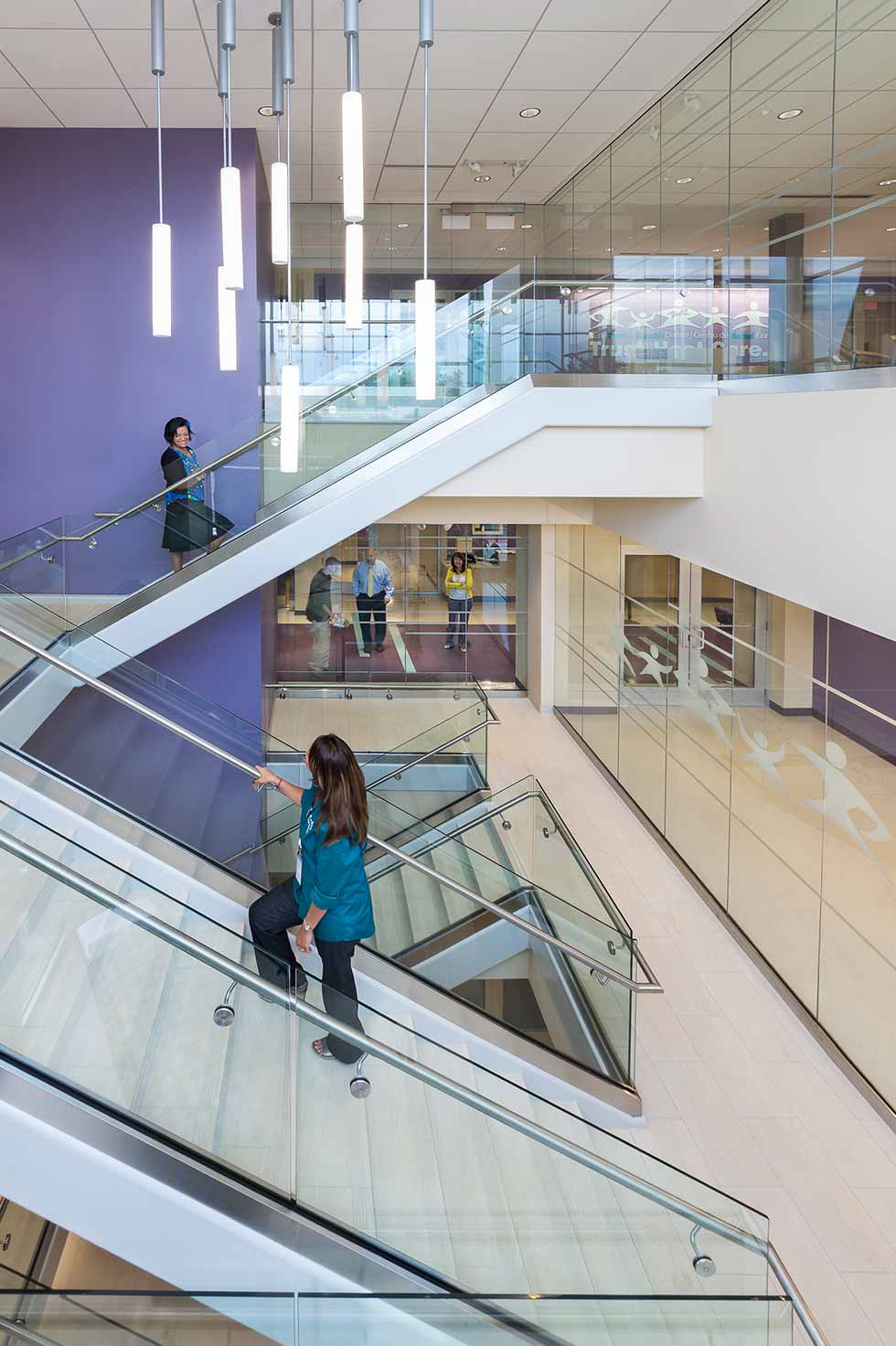
A retrofit transformed a bank into the Erie HealthReach Waukegan Health Center. Dunn, who was part of the project team, grew up in Waukegan.
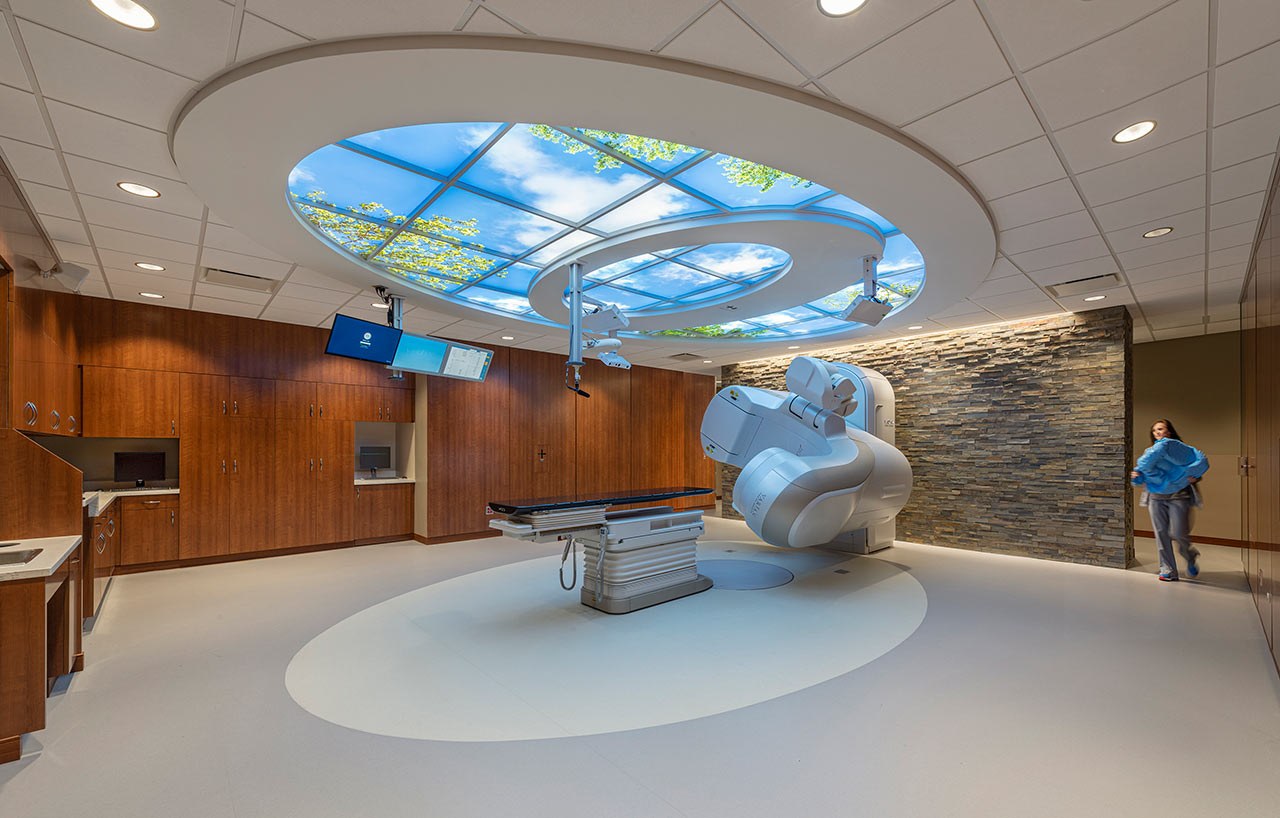
Dunn played a key role for an expansion and renovation of the Northwestern Medicine McHenry Hospital Cancer Center. Pictured is the linear accelerator vault, one of the largest in the Midwest when construction completed in 2019.
Ensuing projects became more technically demanding. A Cancer Center addition at McHenry Hospital, for instance, included one of the largest linear accelerator vaults in the Midwest at the time. Dunn also played prominent roles in the Delnor Hospital Maternity Center Special Care Nursery and a conversion of a bank into the Erie HealthReach Waukegan Health Center.
Dunn developed an aptitude for delivering complicated projects on a tight timeline. The recently completed Meadowview Behavioral Hospital — Dunn served as project manager — was designed in five months. Typically, a new hospital takes 18 months to three years to design.
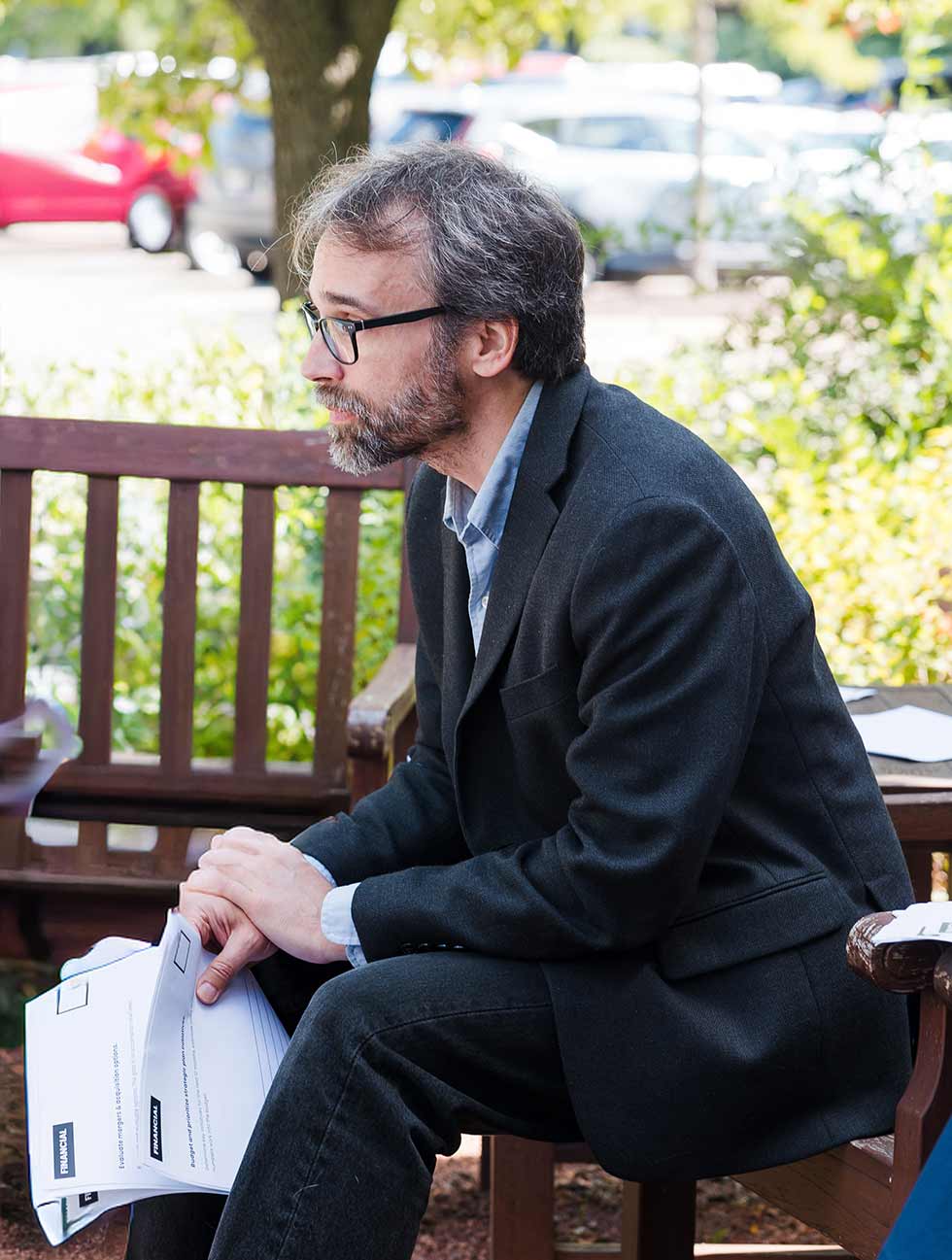
Derek Dunn’s technical prowess and quiet perseverance have earned the trust of clients, coworkers, and industry partners.
Putting the Healing Pieces Together
Dunn worked as the right-hand man of retired Legat principal and healthcare director Casey Frankiewicz for over 15 years.
“Derek has a quiet, blend-into-the-background manner, but don’t let that fool you,” said Frankiewicz. “He has consistently gone about his assignments with great vigor and ownership. Those of us who have had the pleasure of working with him have always had full confidence in his wide range of talents as an architect. He has been instrumental in building Legat’s reputation within a very complex and competitive market sector.”
Dunn has also had a major impact on newer team members. Modest. Patient. Humble. Honest. Trustworthy. Determined. These are words that coworkers use to describe him. He has made himself available for challenges ranging from mundane code-compliance issues to multi-layered challenges.
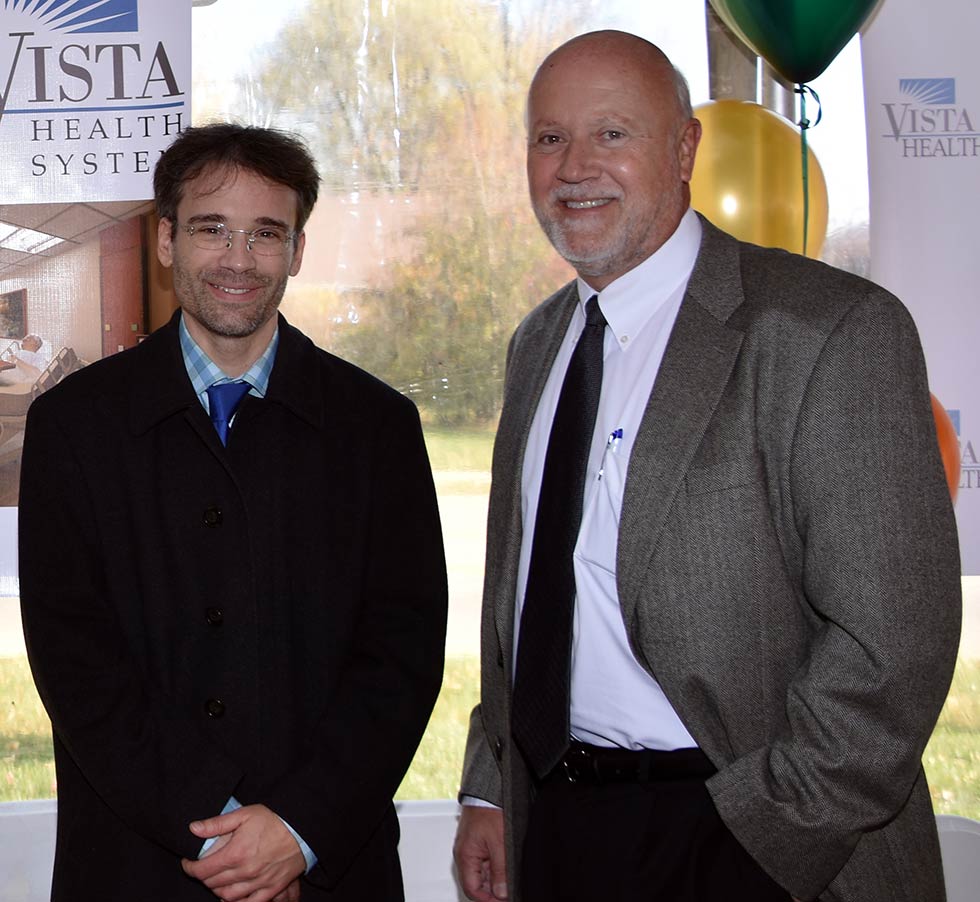
Longtime coworkers Derek Dunn and Casey Frankiewicz at a 2017 groundbreaking event.
Nick Frey has worked side by side with Dunn for more than 10 years.
“Derek is one of the most knowledgeable architects I’ve worked with, especially when it comes to the complicated world of healthcare architecture,” said Frey. “He takes a sincere interest in whatever problem I bring to him, and his answers never feel rushed or shortchanged. Derek has been a presence throughout my career here, and I have no doubt that I’m a better architect because of it.”
In a profession notorious for job hopping, one might question what compelled Dunn to remain at Legat for three decades.
“I stayed because of the people,” he said. “Also, the leadership has always treated me fairly. Whatever I wanted to try, they supported. It’s not surprising that I’ve seen several employees leave and then want to return.”
Despite Dunn’s composed demeanor, he is not immune to the pressures of project management. When things get especially tense, he might turn to Nine Inch Nails, the Cure, or other industrial/alternative music to de-stress. And if you ever confront him in office chair soccer, watch out!
Another stress reliever for Dunn is cycling. He bought his first mountain bike in 2000 and “assembled” his gravel bike in 2021. The second bike, pieced together during COVID, required Dunn to source components from around the country and even from the UK.
For years, Dunn’s desk displayed a growing exhibit of famous structures he’d built with LEGO bricks. Those were just the architectural parts of a collection that has grown to 138 sets.
Dunn’s LEGO library, with some sets stretching back to his childhood, testifies to an enduring love of architecture. And while his own architectural output is unlikely to lead to a LEGO set, the portfolio he has built has achieved something far greater than shelf appeal — it has helped people heal.
Contact us with your facilities challenges or to share your experiences with Derek Dunn.